Buy healthcoaching.eu ?
We are moving the project
healthcoaching.eu .
Are you interested in purchasing the domain
healthcoaching.eu ?
domain@kv-gmbh.de · 0541-91531010
Buy healthcoaching.eu ?
Is caries an infectious disease or a lifestyle disease?
Caries, also known as tooth decay or cavities, is primarily considered an infectious disease. It is caused by bacteria in the mouth, particularly Streptococcus mutans, which produce acids that erode the tooth enamel. However, lifestyle factors such as poor oral hygiene, high sugar consumption, and lack of regular dental care can contribute to the development and progression of caries. Therefore, while caries is fundamentally an infectious disease, lifestyle choices can play a significant role in its occurrence. **
Which disease is known as maple disease?
Maple disease is a term used to describe a condition called maple syrup urine disease (MSUD). This is a rare genetic disorder that affects the body's ability to break down certain amino acids, leading to a buildup of these substances in the blood and urine. The condition gets its name from the distinctive sweet smell of the affected individual's urine, which is similar to that of maple syrup. If left untreated, MSUD can lead to serious health complications, including neurological problems and developmental delays. **


Similar search terms for Disease
Top-Angebote
Products related to Disease:
-
Various Publishers Eat to Beat Disease, How Not to Die, Hidden Healing Powers & Anti-Lectin Cookbook - 4 Book Paperback Health & Nutrition Collection SetThis four-book paperback bundle brings together well-known names in evidence-based nutrition. It includes Dr William Li's 'Eat to Beat Disease: The Body's Five Defence Systems and the Foods that Could Save Your Life', Michael Greger's 'How Not to Die: Discover the Foods Scientifically Proven to Prevent and Reverse Disease', and two practical cookbooks by CookNation focused on lectin-aware and whole-food plant-based eating. The set balances hard science with everyday recipes, offering a rounded introduction to healthy eating.30,99 £*Shipping: 2,99 £Secure redirect to the provider
-
Vermilion Dr William Li 2 Book Set - Eat to Beat Disease & Eat to Beat Your Diet - Paperback - Adult Health & Nutrition Guide by Bestselling AuthorDiscover the groundbreaking approach to nutrition from physician-scientist Dr William Li in this two-book paperback collection. Eat to Beat Disease explores how everyday foods strengthen the body's five natural defence systems against illness, while Eat to Beat Your Diet applies that same science to sustainable weight loss through the MediterAsian eating plan. Together, they form a complete and accessible guide for readers who want to use food as medicine, improve long-term health, and manage weight without restrictive dieting. This collection is ideal for health-conscious adults and anyone curious about the science of nutrition.33,99 £*Shipping: 2,99 £Secure redirect to the provider
-
Icon Books The Epigenetics Revolution - How Modern Biology Is Rewriting Our Understanding Of Genetics Disease..At the beginning of this century enormous progress had been made in genetics. The Human Genome Project finished sequencing human DNA. It seemed it was only a matter of time until we had all the answers to the secrets of life on this planet.6,95 £*Shipping: 2,99 £Secure redirect to the provider
-
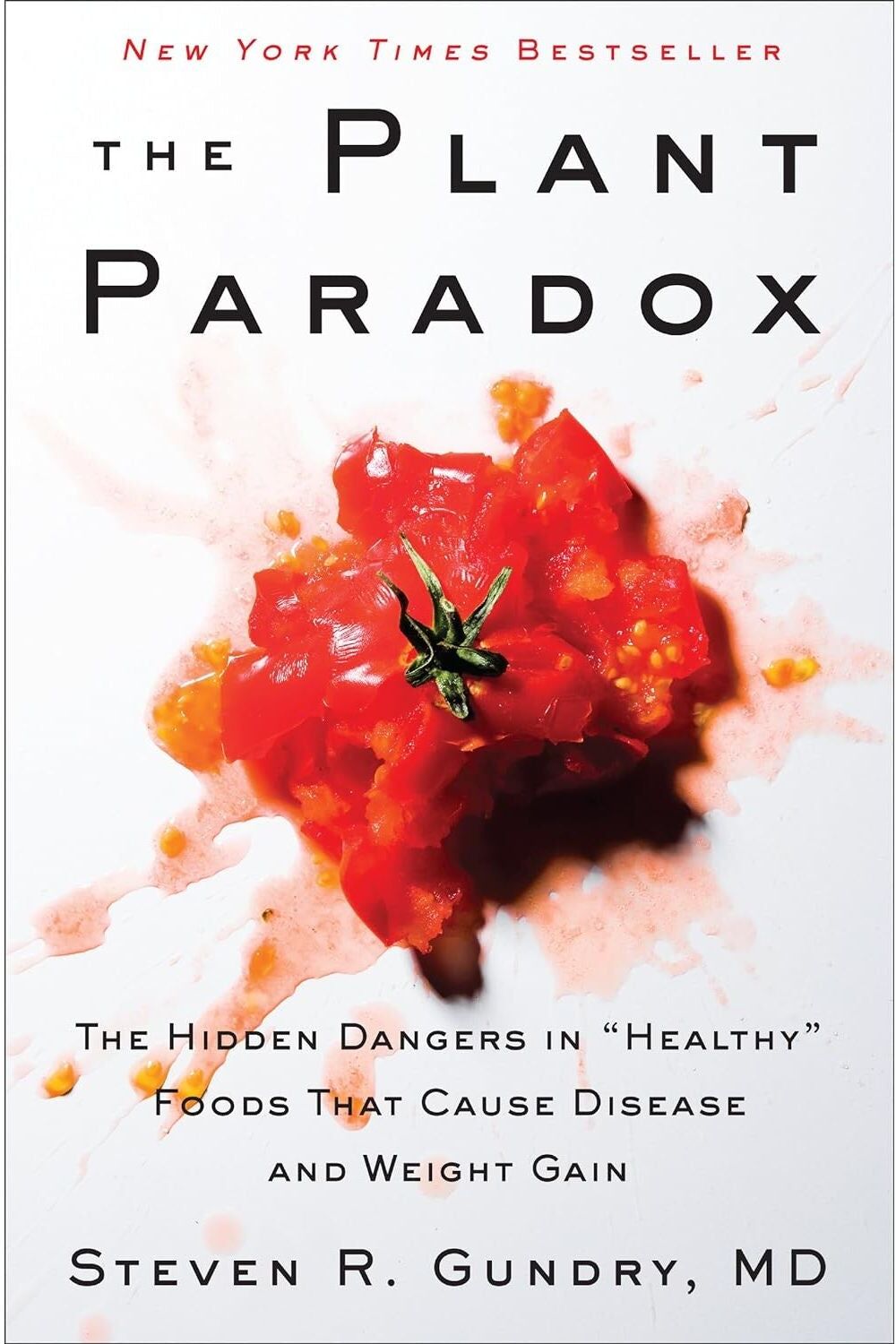
Harper The Plant Paradox: The Hidden Dangers in Healthy Foods That Cause Disease and Weight GainFrom renowned cardiac surgeon Steven R. Gundry, MD, the New York Times bestselling The Plant Paradox is arevolutionary look at the hidden compounds in "healthy" foods like fruit, vegetables, and whole grains that are causing us to gain weight and develop chronic disease. Most of us have heard of gluten—a protein found in wheat that causes widespread inflammation in the body. Americans spend billions of dollars on gluten-free diets in an effort to protect their health. But what if we’ve been missing the root of the problem? In The Plant Paradox, renowned cardiologist Dr. Steven Gundry reveals that gluten is just one variety of a common, and highly toxic, plant-based protein called lectin. Lectins are found not only in grains like wheat but also in the “gluten-free” foods most of us commonly regard as healthy, including many fruits, vegetables, nuts, beans, and conventional dairy products. These proteins, which are found in the seeds, grains, skins, rinds, and leaves of plants, are designed by nature to protect them from predators (including humans). Once ingested, they incite a kind of chemical warfare in our bodies, causing inflammatory reactions that can lead to weight gain and serious health conditions. At his waitlist-only clinics in California, Dr. Gundry has successfully treated tens of thousands of patients suffering from autoimmune disorders, diabetes, leaky gut syndrome, heart disease, and neurodegenerative diseases with a protocol that detoxes the cells, repairs the gut, and nourishes the body. Now, in The Plant Paradox, he shares this clinically proven program with readers around the world. The simple (and daunting) fact is, lectins are everywhere. Thankfully, Dr. Gundry offers simple hacks we easily can employ to avoid them, including: Peel your veggies. Most of the lectins are contained in the skin and seeds of plants; simply peeling and de-seeding vegetables (like tomatoes and peppers) reduces their lectin content. Shop for fruit in season. Fruit contain fewer lectins when ripe, so eating apples, berries, and other lectin-containing fruits at the peak of ripeness helps minimize your lectin consumption. Swap your brown rice for white. Whole grains and seeds with hard outer coatings are designed by nature to cause digestive distress—and are full of lectins. With a full list of lectin-containing foods and simple substitutes for each, a step-by-step detox and eating plan, and delicious lectin-free recipes, The Plant Paradox illuminates the hidden dangers lurking in your salad bowl—and shows you how to eat whole foods in a whole new way.6,99 £*Shipping: 2,99 £Secure redirect to the provider



-
What is the disease Fish Disease 2?
Fish Disease 2, also known as Columnaris disease, is a bacterial infection that affects freshwater fish. It is caused by the bacteria Flavobacterium columnare and can result in symptoms such as white or grayish patches on the skin, frayed fins, and lethargy. The disease is highly contagious and can spread rapidly through a fish population. It is important to promptly diagnose and treat Fish Disease 2 to prevent widespread infection and mortality in aquariums or fish farms. **
-
Which disease is referred to as maple disease?
Maple disease refers to a condition known as maple syrup urine disease (MSUD). This is a rare genetic disorder that affects the body's ability to break down certain amino acids, leading to a buildup of toxic substances in the blood and urine. The name "maple syrup urine disease" comes from the distinctive sweet smell of the urine in affected individuals. If left untreated, MSUD can cause serious health problems, including neurological damage and developmental delays. **
-
Is obesity a disease or just a cheap excuse for poor nutrition?
Obesity is recognized as a complex, multifactorial disease that is influenced by genetic, environmental, and behavioral factors. It is not simply a result of poor nutrition or lack of willpower. Obesity is associated with a range of serious health conditions, including heart disease, diabetes, and certain types of cancer. It requires comprehensive treatment and management, including dietary changes, increased physical activity, and sometimes medical intervention. Therefore, it is important to understand and address obesity as a disease rather than dismissing it as a cheap excuse for poor nutrition. **
-
Which disease is known as maple syrup urine disease?
Maple syrup urine disease is a rare genetic disorder that is characterized by a distinctive sweet odor of the urine, similar to that of maple syrup. This disease is caused by a deficiency in certain enzymes that are needed to break down certain amino acids. If left untreated, maple syrup urine disease can lead to serious health complications, including neurological problems and developmental delays. Early diagnosis and management of this condition are crucial to prevent these complications. **

What is a neurodegenerative disease, such as Alzheimer's disease?
A neurodegenerative disease is a condition that primarily affects the neurons in the brain, leading to progressive degeneration and ultimately, the death of these cells. Alzheimer's disease is a specific type of neurodegenerative disease characterized by memory loss, cognitive decline, and changes in behavior. It is the most common cause of dementia and is believed to be caused by a combination of genetic, environmental, and lifestyle factors. Currently, there is no cure for Alzheimer's disease, and treatment focuses on managing symptoms and improving quality of life. **
Is circulatory disorder a disease or a symptom of another disease?
Circulatory disorder can be both a disease and a symptom of another disease. Circulatory disorders such as hypertension, atherosclerosis, and peripheral artery disease can be considered diseases in themselves, as they involve dysfunction of the circulatory system. However, circulatory disorders can also be symptoms of other underlying conditions, such as heart disease, diabetes, or autoimmune disorders. In these cases, the circulatory disorder is a manifestation of the primary disease and may require treatment of the underlying condition to effectively manage the circulatory symptoms. **
Top-Angebote
Products related to Disease:
-
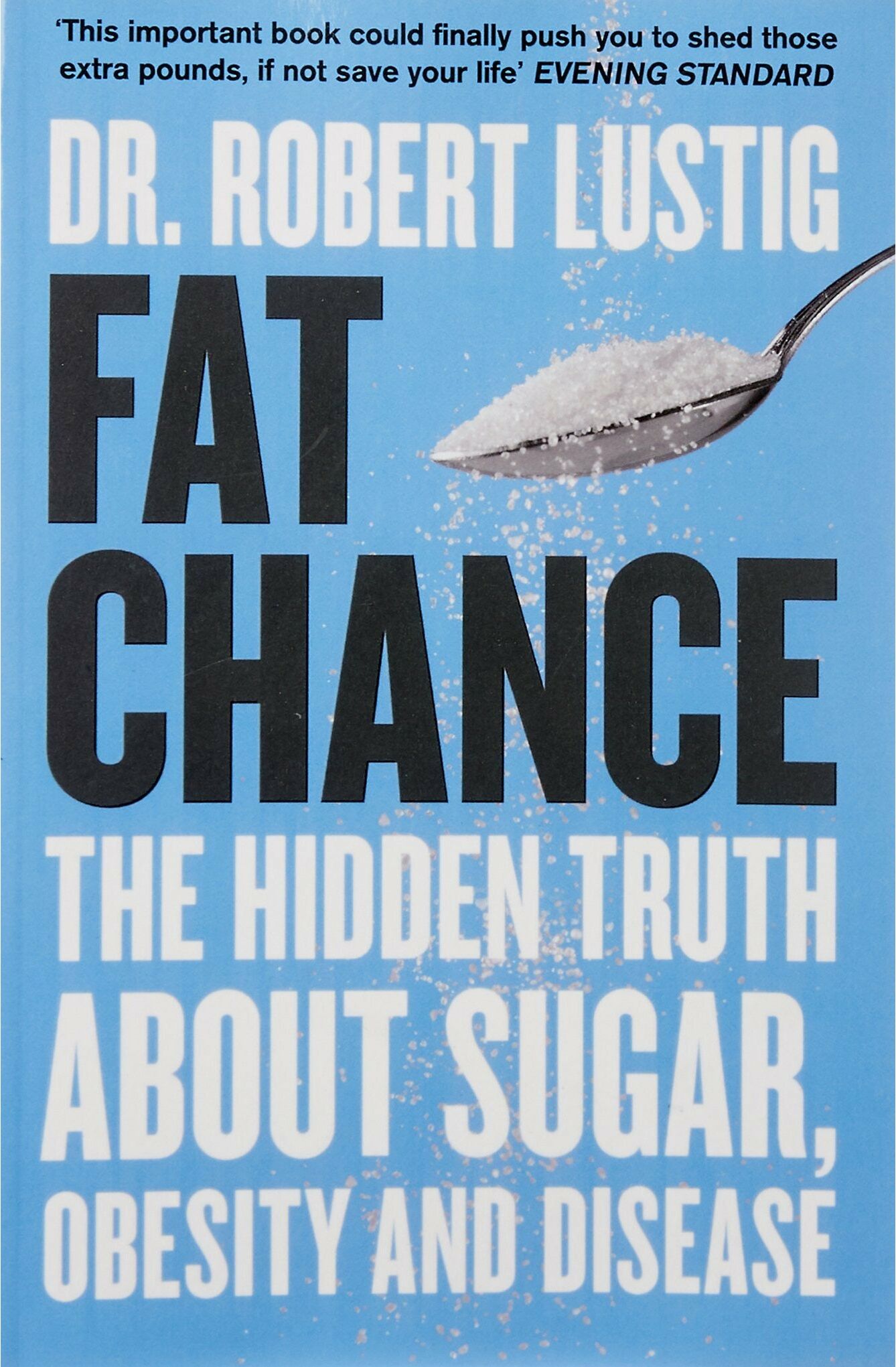
Fourth Estate Fat Chance: The Hidden Truth About Sugar, Obesity and Disease by Dr. Robert Lustig - Paperback - Public Health & Nutrition BookFat Chance: The Hidden Truth About Sugar, Obesity and Disease is Dr Robert Lustig's exposé of how sugar has quietly infiltrated the modern diet and reshaped public health. Drawing on decades of clinical research as a paediatric endocrinologist, Lustig dismantles the myth that 'a calorie is a calorie,' revealing why sugar itself drives obesity, diabetes and chronic disease. This paperback is a must-read for anyone wanting to understand the impact of sugar on public health. About the book, sugar is toxic, addictive and virtually inescapable in the modern food supply. Dr Robert Lustig argues that our reliance on processed convenience food is directly responsible for soaring rates of obesity, type 2 diabetes and a wide catalogue of related diseases. Published by Fourth Estate Ltd, this book is a landmark exposé that goes further than typical diet books, offering a comprehensive look at the effects of sugar on our health.2,49 £*Shipping: 2,99 £Secure redirect to the provider
-
Pan Macmillan How Not to Die by Dr Michael Greger - Paperback - Science-Backed Foods to Prevent & Reverse Disease - Daily Dozen Nutrition GuideDiscover the evidence-based guide to using food as medicine with 'How Not to Die' by Dr Michael Greger. This comprehensive book examines the biggest killers in the Western world and shows which foods can help prevent, halt, and even reverse them. Written by a physician and nutrition researcher, it provides accessible explanations and a practical eating plan to help you take control of your long-term health through diet. The book works through the fifteen leading causes of death, including heart disease, breast and prostate cancer, high blood pressure, diabetes, and kidney disease, explaining how food choices influence each condition. With its clear and engaging language, 'How Not to Die' is a valuable resource for anyone looking to make informed food choices and improve their health.2,99 £*Shipping: 2,99 £Secure redirect to the provider
-
Various Publishers Eat to Beat Disease, How Not to Die, Hidden Healing Powers & Anti-Lectin Cookbook - 4 Book Paperback Health & Nutrition Collection SetThis four-book paperback bundle brings together well-known names in evidence-based nutrition. It includes Dr William Li's 'Eat to Beat Disease: The Body's Five Defence Systems and the Foods that Could Save Your Life', Michael Greger's 'How Not to Die: Discover the Foods Scientifically Proven to Prevent and Reverse Disease', and two practical cookbooks by CookNation focused on lectin-aware and whole-food plant-based eating. The set balances hard science with everyday recipes, offering a rounded introduction to healthy eating.30,99 £*Shipping: 2,99 £Secure redirect to the provider
-
Vermilion Dr William Li 2 Book Set - Eat to Beat Disease & Eat to Beat Your Diet - Paperback - Adult Health & Nutrition Guide by Bestselling AuthorDiscover the groundbreaking approach to nutrition from physician-scientist Dr William Li in this two-book paperback collection. Eat to Beat Disease explores how everyday foods strengthen the body's five natural defence systems against illness, while Eat to Beat Your Diet applies that same science to sustainable weight loss through the MediterAsian eating plan. Together, they form a complete and accessible guide for readers who want to use food as medicine, improve long-term health, and manage weight without restrictive dieting. This collection is ideal for health-conscious adults and anyone curious about the science of nutrition.33,99 £*Shipping: 2,99 £Secure redirect to the provider
-
Is caries an infectious disease or a lifestyle disease?
Caries, also known as tooth decay or cavities, is primarily considered an infectious disease. It is caused by bacteria in the mouth, particularly Streptococcus mutans, which produce acids that erode the tooth enamel. However, lifestyle factors such as poor oral hygiene, high sugar consumption, and lack of regular dental care can contribute to the development and progression of caries. Therefore, while caries is fundamentally an infectious disease, lifestyle choices can play a significant role in its occurrence. **
-
Which disease is known as maple disease?
Maple disease is a term used to describe a condition called maple syrup urine disease (MSUD). This is a rare genetic disorder that affects the body's ability to break down certain amino acids, leading to a buildup of these substances in the blood and urine. The condition gets its name from the distinctive sweet smell of the affected individual's urine, which is similar to that of maple syrup. If left untreated, MSUD can lead to serious health complications, including neurological problems and developmental delays. **
-
What is the disease Fish Disease 2?
Fish Disease 2, also known as Columnaris disease, is a bacterial infection that affects freshwater fish. It is caused by the bacteria Flavobacterium columnare and can result in symptoms such as white or grayish patches on the skin, frayed fins, and lethargy. The disease is highly contagious and can spread rapidly through a fish population. It is important to promptly diagnose and treat Fish Disease 2 to prevent widespread infection and mortality in aquariums or fish farms. **
-
Which disease is referred to as maple disease?
Maple disease refers to a condition known as maple syrup urine disease (MSUD). This is a rare genetic disorder that affects the body's ability to break down certain amino acids, leading to a buildup of toxic substances in the blood and urine. The name "maple syrup urine disease" comes from the distinctive sweet smell of the urine in affected individuals. If left untreated, MSUD can cause serious health problems, including neurological damage and developmental delays. **
Similar search terms for Disease
-
Icon Books The Epigenetics Revolution - How Modern Biology Is Rewriting Our Understanding Of Genetics Disease..At the beginning of this century enormous progress had been made in genetics. The Human Genome Project finished sequencing human DNA. It seemed it was only a matter of time until we had all the answers to the secrets of life on this planet.6,95 £*Shipping: 2,99 £Secure redirect to the provider
-
Harper The Plant Paradox: The Hidden Dangers in Healthy Foods That Cause Disease and Weight GainFrom renowned cardiac surgeon Steven R. Gundry, MD, the New York Times bestselling The Plant Paradox is arevolutionary look at the hidden compounds in "healthy" foods like fruit, vegetables, and whole grains that are causing us to gain weight and develop chronic disease. Most of us have heard of gluten—a protein found in wheat that causes widespread inflammation in the body. Americans spend billions of dollars on gluten-free diets in an effort to protect their health. But what if we’ve been missing the root of the problem? In The Plant Paradox, renowned cardiologist Dr. Steven Gundry reveals that gluten is just one variety of a common, and highly toxic, plant-based protein called lectin. Lectins are found not only in grains like wheat but also in the “gluten-free” foods most of us commonly regard as healthy, including many fruits, vegetables, nuts, beans, and conventional dairy products. These proteins, which are found in the seeds, grains, skins, rinds, and leaves of plants, are designed by nature to protect them from predators (including humans). Once ingested, they incite a kind of chemical warfare in our bodies, causing inflammatory reactions that can lead to weight gain and serious health conditions. At his waitlist-only clinics in California, Dr. Gundry has successfully treated tens of thousands of patients suffering from autoimmune disorders, diabetes, leaky gut syndrome, heart disease, and neurodegenerative diseases with a protocol that detoxes the cells, repairs the gut, and nourishes the body. Now, in The Plant Paradox, he shares this clinically proven program with readers around the world. The simple (and daunting) fact is, lectins are everywhere. Thankfully, Dr. Gundry offers simple hacks we easily can employ to avoid them, including: Peel your veggies. Most of the lectins are contained in the skin and seeds of plants; simply peeling and de-seeding vegetables (like tomatoes and peppers) reduces their lectin content. Shop for fruit in season. Fruit contain fewer lectins when ripe, so eating apples, berries, and other lectin-containing fruits at the peak of ripeness helps minimize your lectin consumption. Swap your brown rice for white. Whole grains and seeds with hard outer coatings are designed by nature to cause digestive distress—and are full of lectins. With a full list of lectin-containing foods and simple substitutes for each, a step-by-step detox and eating plan, and delicious lectin-free recipes, The Plant Paradox illuminates the hidden dangers lurking in your salad bowl—and shows you how to eat whole foods in a whole new way.6,99 £*Shipping: 2,99 £Secure redirect to the provider
-
Fourth Estate Fat Chance: The Hidden Truth About Sugar, Obesity and Disease by Dr. Robert LustigSugar is toxic, addictive and everywhere. So what chance do you have of living sugar-free? With busy lives and little time left for cooking we find ourselves relying on a diet of processed food. But this is what’s responsible for our chronically expanding waistlines, soaring levels of diabetes and a catalogue of diseases. Dr Robert Lustig reveals the truth about our sugar-laden food: Why conventional low-fat weight loss advice won’t work: not every calorie is the same, and skipping lunch doesn’t mean it’s ok to eat dessert Why too much sugar can cause serious illness even if you are not overweight How the food industry is filling our diets with hidden sugars – and which foods you must cut out to avoid them How governments are complacent about, and even complicit in, exacerbating our food debacle He will radically change the way you see your food and give you more than a fat chance of a healthier, happier and smarter life!1,99 £*Shipping: 1,99 £Secure redirect to the provider
-
Pan Macmillan How Not to Die: Discover the Foods Scientifically Proven to Prevent and Reverse DiseaseWhy rely on drugs and surgery to cure you of life-threatening disease when the right decisions can prevent you from falling ill to begin with?How Not To Die gives effective, scientifically-proven nutritional advice to prevent our biggest killers - including heart disease, breast cancer, prostate cancer, high blood pressure and diabetes - and reveals the astounding health benefits that simple dietary choices can provide. Based on the latest scientific research, the internationally bestselling How Not To Die examines each of the most common diseases to reveal what, how and why different foods affect us, and how increasing our consumption of certain foods and avoiding others can dramatically reduce our risk of falling sick and even reverse the effects of disease. It also shares Dr Greger's 'Daily Dozen' - the twelve foods we should all eat every day to stay in the best of health. With emphasis on individual family health history and acknowledging that everyone needs something different, Dr Michael Greger offers practical dietary advice to help you live longer, healthier lives.7,95 £*Shipping: 2,99 £Secure redirect to the provider
-
Is obesity a disease or just a cheap excuse for poor nutrition?
Obesity is recognized as a complex, multifactorial disease that is influenced by genetic, environmental, and behavioral factors. It is not simply a result of poor nutrition or lack of willpower. Obesity is associated with a range of serious health conditions, including heart disease, diabetes, and certain types of cancer. It requires comprehensive treatment and management, including dietary changes, increased physical activity, and sometimes medical intervention. Therefore, it is important to understand and address obesity as a disease rather than dismissing it as a cheap excuse for poor nutrition. **
-
Which disease is known as maple syrup urine disease?
Maple syrup urine disease is a rare genetic disorder that is characterized by a distinctive sweet odor of the urine, similar to that of maple syrup. This disease is caused by a deficiency in certain enzymes that are needed to break down certain amino acids. If left untreated, maple syrup urine disease can lead to serious health complications, including neurological problems and developmental delays. Early diagnosis and management of this condition are crucial to prevent these complications. **
-
What is a neurodegenerative disease, such as Alzheimer's disease?
A neurodegenerative disease is a condition that primarily affects the neurons in the brain, leading to progressive degeneration and ultimately, the death of these cells. Alzheimer's disease is a specific type of neurodegenerative disease characterized by memory loss, cognitive decline, and changes in behavior. It is the most common cause of dementia and is believed to be caused by a combination of genetic, environmental, and lifestyle factors. Currently, there is no cure for Alzheimer's disease, and treatment focuses on managing symptoms and improving quality of life. **
-
Is circulatory disorder a disease or a symptom of another disease?
Circulatory disorder can be both a disease and a symptom of another disease. Circulatory disorders such as hypertension, atherosclerosis, and peripheral artery disease can be considered diseases in themselves, as they involve dysfunction of the circulatory system. However, circulatory disorders can also be symptoms of other underlying conditions, such as heart disease, diabetes, or autoimmune disorders. In these cases, the circulatory disorder is a manifestation of the primary disease and may require treatment of the underlying condition to effectively manage the circulatory symptoms. **
* All prices are inclusive of VAT and, if applicable, plus shipping costs. The offer information is based on the details provided by the respective shop and is updated through automated processes. Real-time updates do not occur, so deviations can occur in individual cases. ** Note: Parts of this content were created by AI.