Buy healthcoaching.eu ?
We are moving the project
healthcoaching.eu .
Are you interested in purchasing the domain
healthcoaching.eu ?
domain@kv-gmbh.de · 0541-91531010
Buy healthcoaching.eu ?
What quotes are there on the topics of Buddhism, meditation, and mindfulness?
1. "Do not dwell in the past, do not dream of the future, concentrate the mind on the present moment." - Buddha 2. "Meditation brings wisdom; lack of meditation leaves ignorance. Know well what leads you forward and what holds you back, and choose the path that leads to wisdom." - Buddha 3. "The mind is everything. What you think you become." - Buddha 4. "Mindfulness is the aware, balanced acceptance of the present experience. It isn't more complicated than that. It is opening to or receiving the present moment, pleasant or unpleasant, just as it is, without either clinging to it or rejecting it." - Sylvia Boorstein **
What are the differences between Buddhism and Tibetan Buddhism?
Buddhism is a broader religion that encompasses various traditions and schools, while Tibetan Buddhism is a specific branch of Buddhism that developed in Tibet. Tibetan Buddhism incorporates elements of Tibetan culture, such as rituals, deities, and practices like chanting and visualization. It also places a strong emphasis on the teachings of Tibetan Buddhist masters and the importance of the Dalai Lama. Additionally, Tibetan Buddhism includes unique practices such as the use of prayer flags, prayer wheels, and mandalas. **

Similar search terms for Buddhism
Top-Angebote
Products related to Buddhism:
-
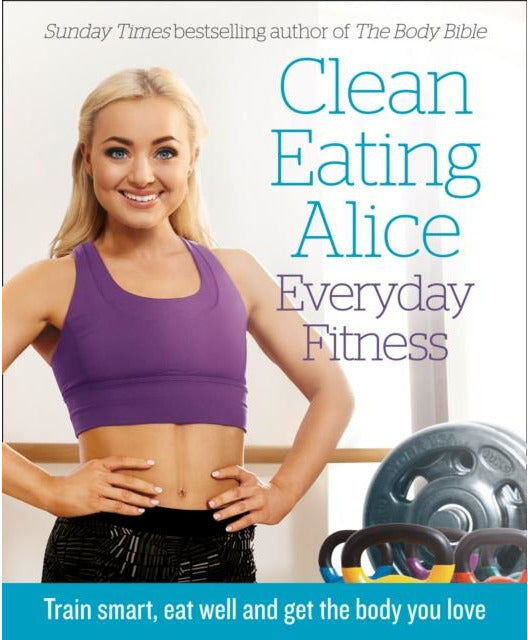
HARPERCOLLINS Clean Eating Alice: Everyday Fitness – Healthy Recipes & Practical Workout Guide for Everyday Wellness by Alice Liveing – Workout & Nutrition GuideTransform your approach to health and fitness with Clean Eating Alice Everyday Fitness: Train Smart, Eat Well and Get the Body You Love by Alice Liveing. This practical, motivating guide combines smart training principles with balanced nutrition to help readers build strength, confidence, and sustainable healthy habits. Alice Liveing shares structured workout plans, approachable meal ideas, and realistic lifestyle advice designed to fit everyday routines — no extremes or quick fixes required. Focused on long-term wellbeing rather than short-term dieting, the book empowers readers to develop a positive relationship with food and exercise while working toward personal fitness goals. Whether you’re new to training or refining your routine, this guide offers clear, supportive direction for lasting results. Why Readers Love This Book: Structured fitness training plans for real-life schedules Balanced nutrition guidance — no fad dieting Encourages sustainable, long-term habits Motivational, beginner-friendly tone Ideal for home or gym-based workouts A smart, accessible roadmap to healthier living, Clean Eating Alice Everyday Fitness helps readers feel strong, energized, and confident.2,80 £*Shipping: 1,99 £Secure redirect to the provider
-
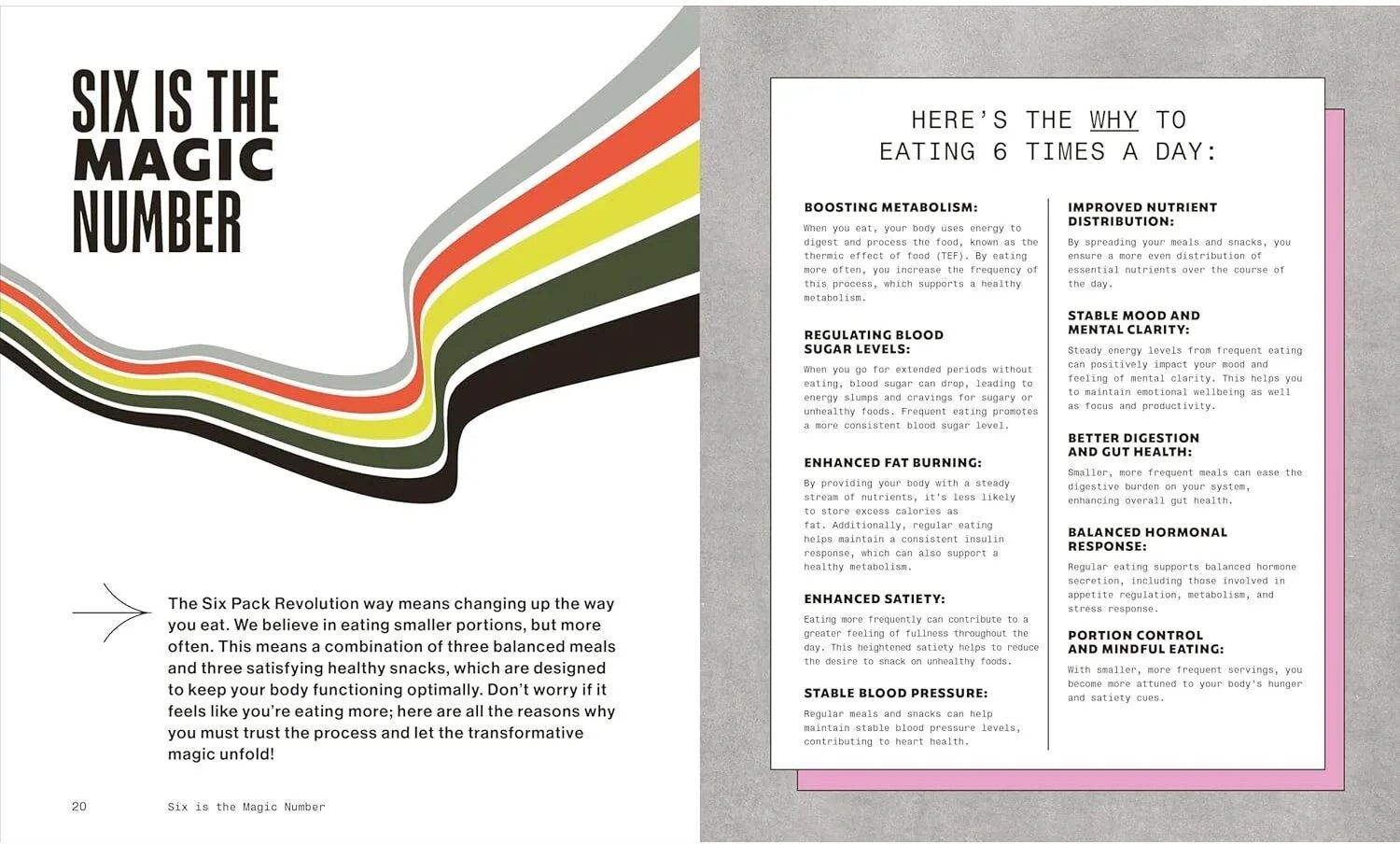
DK Eat Your Way to a Six Pack by Scott Harrison - The Ultimate 75 Day Transformation Plan - Paperback - Sunday Times Bestseller Fitness & Nutrition BookGet fit and healthy with Eat Your Way to a Six Pack, a 75-day transformation plan from celebrity trainer Scott Harrison. This structured programme combines whole-food recipes, achievable exercise challenges, and mindset coaching to help you reshape your body and habits for good. Suitable for anyone looking for a realistic and sustainable route to visible results, whether you're a complete beginner or restarting after previous setbacks. Scott Harrison distils years of coaching experience into a single, structured plan that takes you from day one to a genuine transformation over 75 days. The book opens with the core philosophy behind the programme: lasting results come from consistent, enjoyable habits rather than extreme restriction. It's a practical guide to help you achieve your fitness goals, published by DK.5,99 £*Shipping: 2,99 £Secure redirect to the provider
-
Anima The Wellness Rebel by Plantbased Pixie - Hardback Nutrition & Wellness Book - Evidence-Based Myth-Busting Guide to Healthy EatingThe Wellness Rebel by Plantbased Pixie is a non-fiction hardback book that offers an evidence-based approach to the wellness industry. Written by a food blogger and qualified nutritionist, it cuts through myths and misconceptions with science, wit, and warmth. The book champions balance and debunks fads like alkaline diets, raw food dogma, and superfood hype, while providing practical and sustainable ways to enjoy food without guilt, fear, or misinformation. Published by Anima (Head of Zeus), this book is suitable for adults and provides a much-needed perspective on what 'healthy' eating really means.9,49 £*Shipping: 2,99 £Secure redirect to the provider
-
Yellow Kite 10% Happier 10th Anniversary Book by Dan Harris – True Story of Mindfulness, Stress Relief & Self-Help TransformationAfter having a nationally televised panic attack on Good Morning America, Dan Harris knew he had to make some changes. A lifelong nonbeliever, he found himself on a bizarre adventure involving a disgraced pastor, a mysterious self-help guru, and a gaggle of brain scientists. Eventually, Harris realized that the source of his problems was the very thing he always thought was his greatest asset: the incessant, insatiable voice in his head. We all have an inner narrator. It's what has us losing our temper unnecessarily, checking our email compulsively, eating when we're not hungry, and fixating on the past and the future at the expense of the present. Most of us assume we're stuck with this voice - that there's nothing we can do to rein it in - but Harris stumbled upon an effective way to do just that. 10% Happier is now considered a classic text on the power of meditation, an introduction to the practice that can convert even the most hardened sceptic. With over a million copies sold, 10% Happier is the go-to guide, and with meditation now a widely accepted and encouraged practice, Dan Harris is a pivotal and approachable figure in the field who has built a thriving platform based on the ideas he first presented in this book. In this 10th Anniversary Edition, Harris offers a new preface reflecting on how much has changed - for him and for the public perceptions of meditation, plus a revised and expanded appendix, filled with guided meditations and practical advice for people looking to boot up a habit.9,99 £*Shipping: 2,99 £Secure redirect to the provider


-
What is the difference between Buddhism and Zen Buddhism?
Buddhism is a broader religion and philosophy that encompasses a variety of traditions and practices, while Zen Buddhism is a specific school or branch of Mahayana Buddhism that emphasizes meditation and direct experience of enlightenment. Zen Buddhism places a strong emphasis on the practice of meditation (zazen) as a means to achieve enlightenment, while traditional Buddhism incorporates a wider range of practices such as chanting, rituals, and study of Buddhist scriptures. Additionally, Zen Buddhism often focuses on the teachings of specific Zen masters and the importance of the teacher-student relationship in transmitting wisdom and insight. **
-
Is Buddhism illogical?
Buddhism is not inherently illogical. It is a complex and diverse belief system that encompasses a wide range of philosophical and ethical teachings. While some aspects of Buddhist doctrine may seem counterintuitive or difficult to understand from a Western perspective, they are based on a different cultural and philosophical framework. Many Buddhist teachings emphasize the importance of critical thinking and personal experience, and encourage followers to question and explore their beliefs. Ultimately, whether Buddhism is considered logical or not may depend on one's own perspective and understanding of its teachings. **
-
What is the difference between Zen Buddhism and regular Buddhism?
The main difference between Zen Buddhism and regular Buddhism lies in their approach to meditation and enlightenment. Zen Buddhism, which originated in China and later developed in Japan, emphasizes the practice of meditation (zazen) as the primary means to attain enlightenment. It focuses on direct experience and intuitive understanding, often through the guidance of a teacher. Regular Buddhism, on the other hand, encompasses a variety of traditions and practices, with meditation being just one of them. It places more emphasis on the study of scriptures, ethical conduct, and the development of wisdom and compassion. While both Zen Buddhism and regular Buddhism share the same core teachings of the Four Noble Truths and the Eightfold Path, their methods and emphasis on practice differ. **
-
What makes Buddhism attractive?
Buddhism is attractive to many because of its emphasis on inner peace, mindfulness, and compassion. The teachings of Buddhism offer practical tools for dealing with suffering and finding contentment in the present moment. The focus on personal growth and self-awareness also appeals to those seeking spiritual fulfillment. Additionally, the inclusive nature of Buddhism, which welcomes people from all backgrounds and beliefs, makes it a welcoming and accessible path for many. **

Does Buddhism exclude Christianity?
Buddhism does not necessarily exclude Christianity. Both religions have different beliefs and practices, but individuals can choose to follow aspects of both faiths if they wish. Some people may find that certain teachings or practices from both Buddhism and Christianity complement each other, allowing them to incorporate elements of both into their spiritual beliefs. Ultimately, it is up to the individual to decide how they want to integrate different aspects of these religions into their own belief system. **
What speaks against Buddhism?
Some criticisms of Buddhism include its focus on individual enlightenment, which some argue can lead to detachment from societal issues and responsibilities. Additionally, the concept of karma and rebirth can be seen as fatalistic or lacking in empirical evidence. Some critics also point out that certain Buddhist teachings may perpetuate gender inequality or social hierarchies. Overall, the main criticisms of Buddhism often revolve around its philosophical concepts, practical applications, and societal implications. **
Top-Angebote
Products related to Buddhism:
-
Watkins Publishing Zen and the Art of Dealing with Difficult People by Mark Westmoquette - Paperback - Mindfulness & Zen Buddhism Guide for Adults - UK EditionZen and the Art of Dealing with Difficult People is a thoughtful, practical guide for anyone who has ever felt wound up, drained, or triggered by another person. Drawing on Zen Buddhism and mindfulness practice, astrophysicist-turned-meditation-teacher Mark Westmoquette shows readers how to recognise recurring patterns in their reactions to "difficult" people and use these encounters as opportunities for genuine personal growth, rather than sources of ongoing frustration and pain. Every one of us has at least one "troublesome Buddha" in our lives—a colleague, relative, friend, or stranger whose behaviour seems to press all our buttons. This book argues that these people are not simply obstacles to be endured, but mirrors that reveal our own unexamined habits, fears, and conditioning. Using accessible explanations of Zen philosophy alongside structured mindful practice, Westmoquette provides a roadmap for navigating challenging interactions with composure. Published by Watkins Publishing, this paperback edition is designed for adult readers seeking a grounded approach to interpersonal dynamics.3,99 £*Shipping: 2,99 £Secure redirect to the provider
-
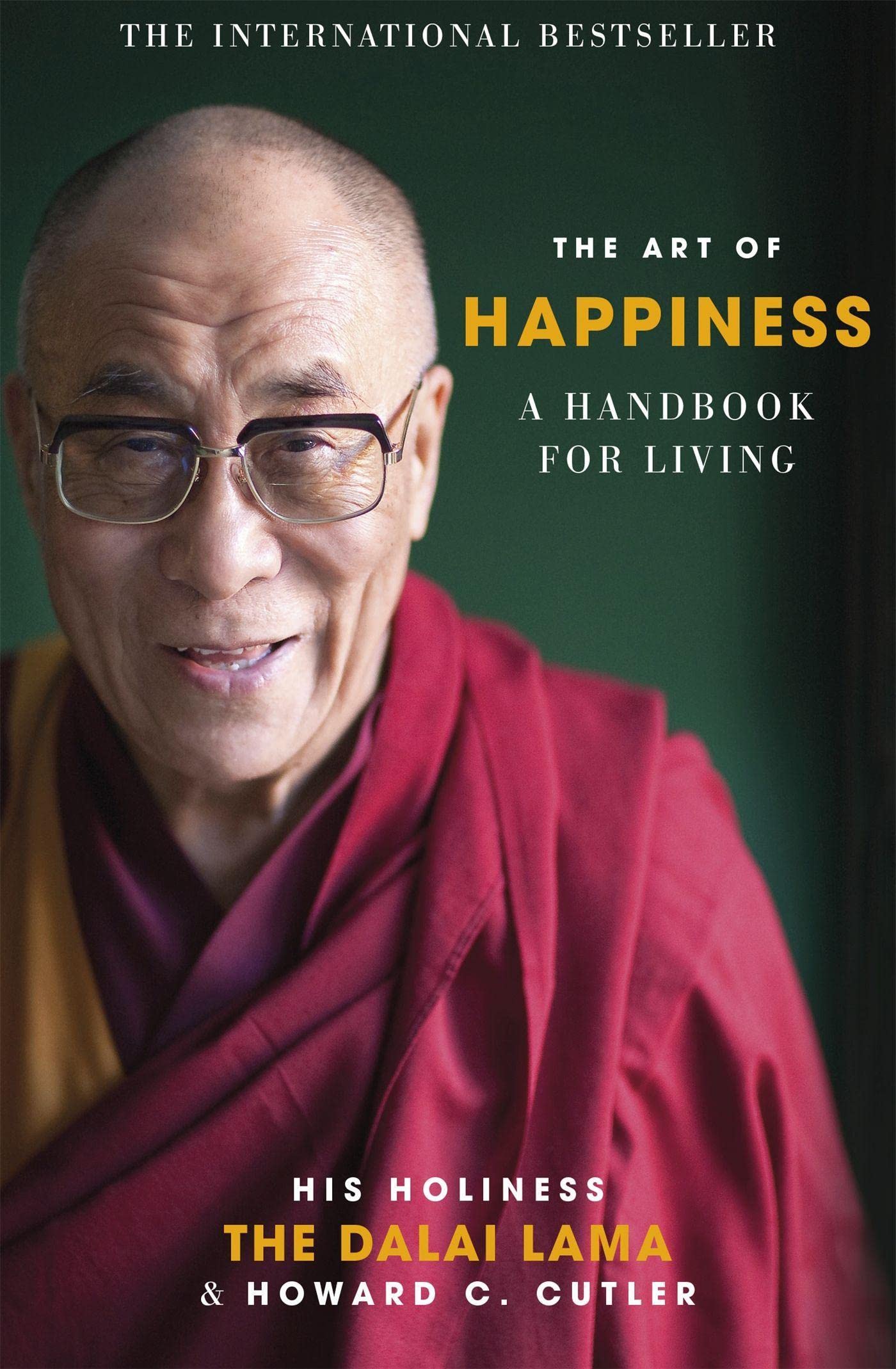
Hodder & Stoughton The Art of Happiness: A Handbook for Living by The Dalai Lama & Howard C. Cutler - Paperback Self-Help Classic on Buddhism & WellbeingA handbook for living, 'The Art of Happiness' pairs the spiritual insight of the Dalai Lama with the clinical expertise of Dr Howard C. Cutler. This practical guide explores how lasting contentment can be cultivated in everyday life, blending Tibetan Buddhist philosophy with Western psychology. The book is based on conversations between the Dalai Lama and Dr Cutler, recorded over several years, and offers a unique perspective on anxiety, loneliness, anger, loss, and the pursuit of wealth. Written with warmth, humour, and practicality, this influential work remains a valuable resource for those seeking calm and inner peace.9,99 £*Shipping: 2,99 £Secure redirect to the provider
-
HARPERCOLLINS Clean Eating Alice: Everyday Fitness – Healthy Recipes & Practical Workout Guide for Everyday Wellness by Alice Liveing – Workout & Nutrition GuideTransform your approach to health and fitness with Clean Eating Alice Everyday Fitness: Train Smart, Eat Well and Get the Body You Love by Alice Liveing. This practical, motivating guide combines smart training principles with balanced nutrition to help readers build strength, confidence, and sustainable healthy habits. Alice Liveing shares structured workout plans, approachable meal ideas, and realistic lifestyle advice designed to fit everyday routines — no extremes or quick fixes required. Focused on long-term wellbeing rather than short-term dieting, the book empowers readers to develop a positive relationship with food and exercise while working toward personal fitness goals. Whether you’re new to training or refining your routine, this guide offers clear, supportive direction for lasting results. Why Readers Love This Book: Structured fitness training plans for real-life schedules Balanced nutrition guidance — no fad dieting Encourages sustainable, long-term habits Motivational, beginner-friendly tone Ideal for home or gym-based workouts A smart, accessible roadmap to healthier living, Clean Eating Alice Everyday Fitness helps readers feel strong, energized, and confident.2,80 £*Shipping: 1,99 £Secure redirect to the provider
-
DK Eat Your Way to a Six Pack by Scott Harrison - The Ultimate 75 Day Transformation Plan - Paperback - Sunday Times Bestseller Fitness & Nutrition BookGet fit and healthy with Eat Your Way to a Six Pack, a 75-day transformation plan from celebrity trainer Scott Harrison. This structured programme combines whole-food recipes, achievable exercise challenges, and mindset coaching to help you reshape your body and habits for good. Suitable for anyone looking for a realistic and sustainable route to visible results, whether you're a complete beginner or restarting after previous setbacks. Scott Harrison distils years of coaching experience into a single, structured plan that takes you from day one to a genuine transformation over 75 days. The book opens with the core philosophy behind the programme: lasting results come from consistent, enjoyable habits rather than extreme restriction. It's a practical guide to help you achieve your fitness goals, published by DK.5,99 £*Shipping: 2,99 £Secure redirect to the provider
-
What quotes are there on the topics of Buddhism, meditation, and mindfulness?
1. "Do not dwell in the past, do not dream of the future, concentrate the mind on the present moment." - Buddha 2. "Meditation brings wisdom; lack of meditation leaves ignorance. Know well what leads you forward and what holds you back, and choose the path that leads to wisdom." - Buddha 3. "The mind is everything. What you think you become." - Buddha 4. "Mindfulness is the aware, balanced acceptance of the present experience. It isn't more complicated than that. It is opening to or receiving the present moment, pleasant or unpleasant, just as it is, without either clinging to it or rejecting it." - Sylvia Boorstein **
-
What are the differences between Buddhism and Tibetan Buddhism?
Buddhism is a broader religion that encompasses various traditions and schools, while Tibetan Buddhism is a specific branch of Buddhism that developed in Tibet. Tibetan Buddhism incorporates elements of Tibetan culture, such as rituals, deities, and practices like chanting and visualization. It also places a strong emphasis on the teachings of Tibetan Buddhist masters and the importance of the Dalai Lama. Additionally, Tibetan Buddhism includes unique practices such as the use of prayer flags, prayer wheels, and mandalas. **
-
What is the difference between Buddhism and Zen Buddhism?
Buddhism is a broader religion and philosophy that encompasses a variety of traditions and practices, while Zen Buddhism is a specific school or branch of Mahayana Buddhism that emphasizes meditation and direct experience of enlightenment. Zen Buddhism places a strong emphasis on the practice of meditation (zazen) as a means to achieve enlightenment, while traditional Buddhism incorporates a wider range of practices such as chanting, rituals, and study of Buddhist scriptures. Additionally, Zen Buddhism often focuses on the teachings of specific Zen masters and the importance of the teacher-student relationship in transmitting wisdom and insight. **
-
Is Buddhism illogical?
Buddhism is not inherently illogical. It is a complex and diverse belief system that encompasses a wide range of philosophical and ethical teachings. While some aspects of Buddhist doctrine may seem counterintuitive or difficult to understand from a Western perspective, they are based on a different cultural and philosophical framework. Many Buddhist teachings emphasize the importance of critical thinking and personal experience, and encourage followers to question and explore their beliefs. Ultimately, whether Buddhism is considered logical or not may depend on one's own perspective and understanding of its teachings. **
Similar search terms for Buddhism
-
Anima The Wellness Rebel by Plantbased Pixie - Hardback Nutrition & Wellness Book - Evidence-Based Myth-Busting Guide to Healthy EatingThe Wellness Rebel by Plantbased Pixie is a non-fiction hardback book that offers an evidence-based approach to the wellness industry. Written by a food blogger and qualified nutritionist, it cuts through myths and misconceptions with science, wit, and warmth. The book champions balance and debunks fads like alkaline diets, raw food dogma, and superfood hype, while providing practical and sustainable ways to enjoy food without guilt, fear, or misinformation. Published by Anima (Head of Zeus), this book is suitable for adults and provides a much-needed perspective on what 'healthy' eating really means.9,49 £*Shipping: 2,99 £Secure redirect to the provider
-
Yellow Kite 10% Happier 10th Anniversary Book by Dan Harris – True Story of Mindfulness, Stress Relief & Self-Help TransformationAfter having a nationally televised panic attack on Good Morning America, Dan Harris knew he had to make some changes. A lifelong nonbeliever, he found himself on a bizarre adventure involving a disgraced pastor, a mysterious self-help guru, and a gaggle of brain scientists. Eventually, Harris realized that the source of his problems was the very thing he always thought was his greatest asset: the incessant, insatiable voice in his head. We all have an inner narrator. It's what has us losing our temper unnecessarily, checking our email compulsively, eating when we're not hungry, and fixating on the past and the future at the expense of the present. Most of us assume we're stuck with this voice - that there's nothing we can do to rein it in - but Harris stumbled upon an effective way to do just that. 10% Happier is now considered a classic text on the power of meditation, an introduction to the practice that can convert even the most hardened sceptic. With over a million copies sold, 10% Happier is the go-to guide, and with meditation now a widely accepted and encouraged practice, Dan Harris is a pivotal and approachable figure in the field who has built a thriving platform based on the ideas he first presented in this book. In this 10th Anniversary Edition, Harris offers a new preface reflecting on how much has changed - for him and for the public perceptions of meditation, plus a revised and expanded appendix, filled with guided meditations and practical advice for people looking to boot up a habit.9,99 £*Shipping: 2,99 £Secure redirect to the provider
-
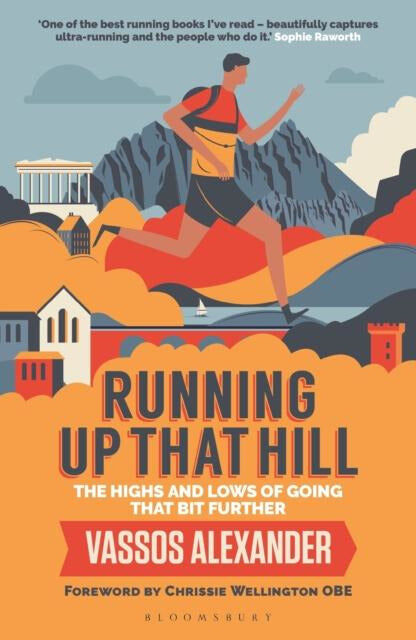
Bloomsbury Publishing Running Up That Hill by Vassos Alexander – Inspiring Running Memoir & Fitness Motivation GuideSHORTLISTED FOR THE TELEGRAPH SPORTS HEALTH & FITNESS BOOK OF THE YEAR AWARD 2019 RUNNING AWARDS 2019 - TOP BOOK Why else would he run an ultra in Paris, backwards, having missed the start? Why head to Wales for the world's hardest mountain race with a badly sprained ankle? And why follow in some unforgiving, ancient footsteps and attempt the oldest and toughest footrace on earth, the 153-mile Spartathlon? There's joy to be found here. Really there is. Vassos recalls his own assaults on these gruelling races, along with ultra-running legends including Scott Jurek, Jasmin Paris, Kilian Jornet, Mimi Anderson and Dean Karnazes. They all testify to the transformative power of endurance running. It's about the astonishing highs that come from pushing your body to the limit. The confidence and peace when you challenge yourself and succeed. All told, this is a cracking tale of what keeps ultra-distance runners running, mile after mile after mile.4,99 £*Shipping: 1,99 £Secure redirect to the provider
-
Holos Nutrition Hormesis Cell Support 60 VcapsulesNutrition and Supplements Natural Extracts Holos Nutrition Hormesis Cell Support 60 Vcapsules What is Holos Nutrition Hormesis Cell Support 60 Capsules? Holos Nutrition Hormesis Cell Support 60 Capsules is a premium nutritional supplement designed to promote cellular health and healthy aging through the principle of hormesis. This advanced formula combines natural adaptogenic extracts, polyphenols, antioxidants, and key nutrients that stimulate the body's defense mechanisms at the cellular level. Inspired by the science of longevity, this product promotes cellular resilience to oxidative stress, contributes to mitochondrial balance, and supports immune and metabolic system function. Free from artificial additives and suitable for vegans, it is encapsulated in easily absorbed vegetable capsules. Who is it for? Holos Nutrition Hormesis Cell Support is formulated for health-conscious individuals seeking to optimize their well-being from the cellular level. It is especially indicated for: • Adults who wish to slow down cellular aging and maintain their vitality. • Individuals exposed to high levels of oxidative stress or environmental pollution. • Athletes seeking to improve cellular recovery and performance. • Professionals with high mental demands who require antioxidant and energy support. • People interested in biohacking strategies and healthy longevity. How do I apply it? The recommended dosage of Holos Nutrition Hormesis Cell Support is practical and safe: • Take 2 capsules daily, preferably with a main meal. • Maintain constant consumption to obtain sustained benefits over time. • It can be used throughout the year or in cycles according to individual needs. • If pregnant, breastfeeding, or undergoing medical treatment, consult a health professional before use. Product use Regular use of Holos Nutrition Hormesis Cell Support can offer multiple benefits aimed at comprehensive health: • Stimulates the body's antioxidant defenses against cellular damage. • Promotes autophagy and cellular regeneration processes. • Supports energy balance at the mitochondrial level. • Contributes to the healthy functioning of the immune system. • Improves the body's resistance to physical and mental stress. • Promotes healthy aging from within. Buy Holos Nutrition Hormesis Cell Support 60 Vcapsules Get Holos Nutrition Hormesis Cell Support 60 capsules now and start taking care of your health from the ground up: your cells. This innovative formula is backed by advanced nutritional science and made with premium ingredients. • 100% vegan product, gluten and lactose free. • Natural ingredients with high bioavailability. • 60-capsule format for a full month of treatment. • Ideal for longevity, wellness, and biohacking routines. • Fast shipping, personalized customer service, and secure shopping. Take care of your cells, optimize your health, and live with energy with Holos Nutrition Hormesis Cell Support 60 Capsules.19,91 £*Shipping: 3,99 £Secure redirect to the provider
-
What is the difference between Zen Buddhism and regular Buddhism?
The main difference between Zen Buddhism and regular Buddhism lies in their approach to meditation and enlightenment. Zen Buddhism, which originated in China and later developed in Japan, emphasizes the practice of meditation (zazen) as the primary means to attain enlightenment. It focuses on direct experience and intuitive understanding, often through the guidance of a teacher. Regular Buddhism, on the other hand, encompasses a variety of traditions and practices, with meditation being just one of them. It places more emphasis on the study of scriptures, ethical conduct, and the development of wisdom and compassion. While both Zen Buddhism and regular Buddhism share the same core teachings of the Four Noble Truths and the Eightfold Path, their methods and emphasis on practice differ. **
-
What makes Buddhism attractive?
Buddhism is attractive to many because of its emphasis on inner peace, mindfulness, and compassion. The teachings of Buddhism offer practical tools for dealing with suffering and finding contentment in the present moment. The focus on personal growth and self-awareness also appeals to those seeking spiritual fulfillment. Additionally, the inclusive nature of Buddhism, which welcomes people from all backgrounds and beliefs, makes it a welcoming and accessible path for many. **
-
Does Buddhism exclude Christianity?
Buddhism does not necessarily exclude Christianity. Both religions have different beliefs and practices, but individuals can choose to follow aspects of both faiths if they wish. Some people may find that certain teachings or practices from both Buddhism and Christianity complement each other, allowing them to incorporate elements of both into their spiritual beliefs. Ultimately, it is up to the individual to decide how they want to integrate different aspects of these religions into their own belief system. **
-
What speaks against Buddhism?
Some criticisms of Buddhism include its focus on individual enlightenment, which some argue can lead to detachment from societal issues and responsibilities. Additionally, the concept of karma and rebirth can be seen as fatalistic or lacking in empirical evidence. Some critics also point out that certain Buddhist teachings may perpetuate gender inequality or social hierarchies. Overall, the main criticisms of Buddhism often revolve around its philosophical concepts, practical applications, and societal implications. **
* All prices are inclusive of VAT and, if applicable, plus shipping costs. The offer information is based on the details provided by the respective shop and is updated through automated processes. Real-time updates do not occur, so deviations can occur in individual cases. ** Note: Parts of this content were created by AI.